
Why Birds End Up in Chimneys
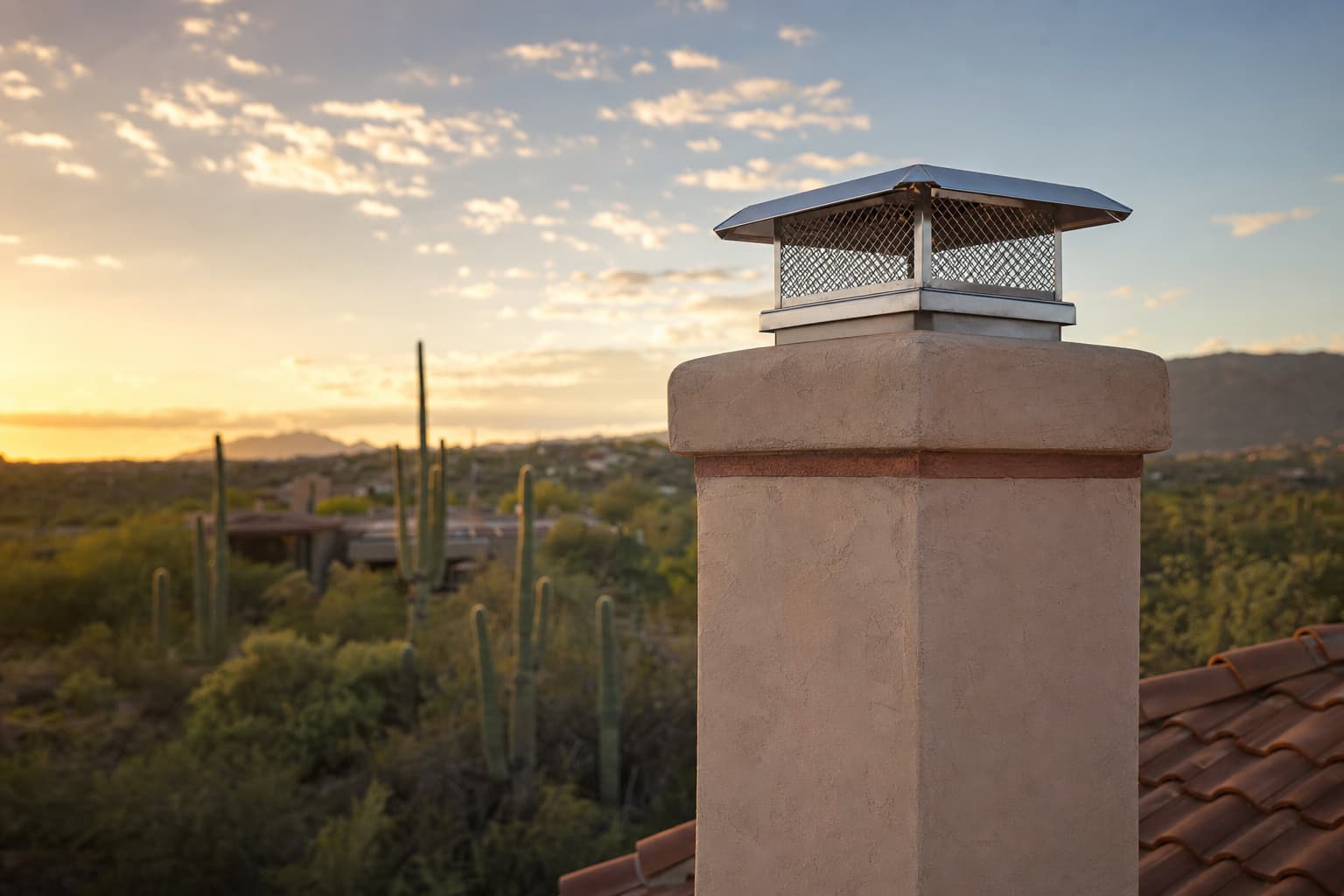
A flue looks like a perfect nesting cavity: sheltered, elevated, predator-free. Once nesting material accumulates, the flue can no longer vent properly, and dry nesting material near a fireplace is a genuine hazard. Removal clears the blockage; a properly fitted cap with mesh screening prevents the return visit.
When Do You Need It?
Call us if you hear scratching, chirping or fluttering in the chimney, notice twigs or debris in the firebox, or if your chimney has no cap — prevention is far cheaper than removal.
Common Warning Signs
- Chirping, scratching or fluttering sounds from the chimney
- Twigs, feathers or debris appearing in the firebox
- Odors coming from the fireplace
- No chimney cap, or a damaged one
What Our Service Includes
- Careful removal of nesting material and debris
- Flue check to confirm the blockage is fully cleared
- Chimney cap recommendation and installation
- Cleanup and honest advice on preventing recurrence
Bird Nest Removal Questions
There are active birds in my chimney — what should I do?
Don't light a fire, and don't try to smoke them out. Call us — some birds are protected while actively nesting, and the right response depends on the situation. We'll walk you through it.
Will a chimney cap stop this from happening again?
A properly fitted cap with mesh screening is the standard, effective prevention. It also keeps out rain and debris, which your chimney will thank you for.