Skip to content

Resources

Straight answers for Arizona homeowners

No filler, no fear-mongering — just the questions homeowners actually ask us, answered the way we answer them in person.

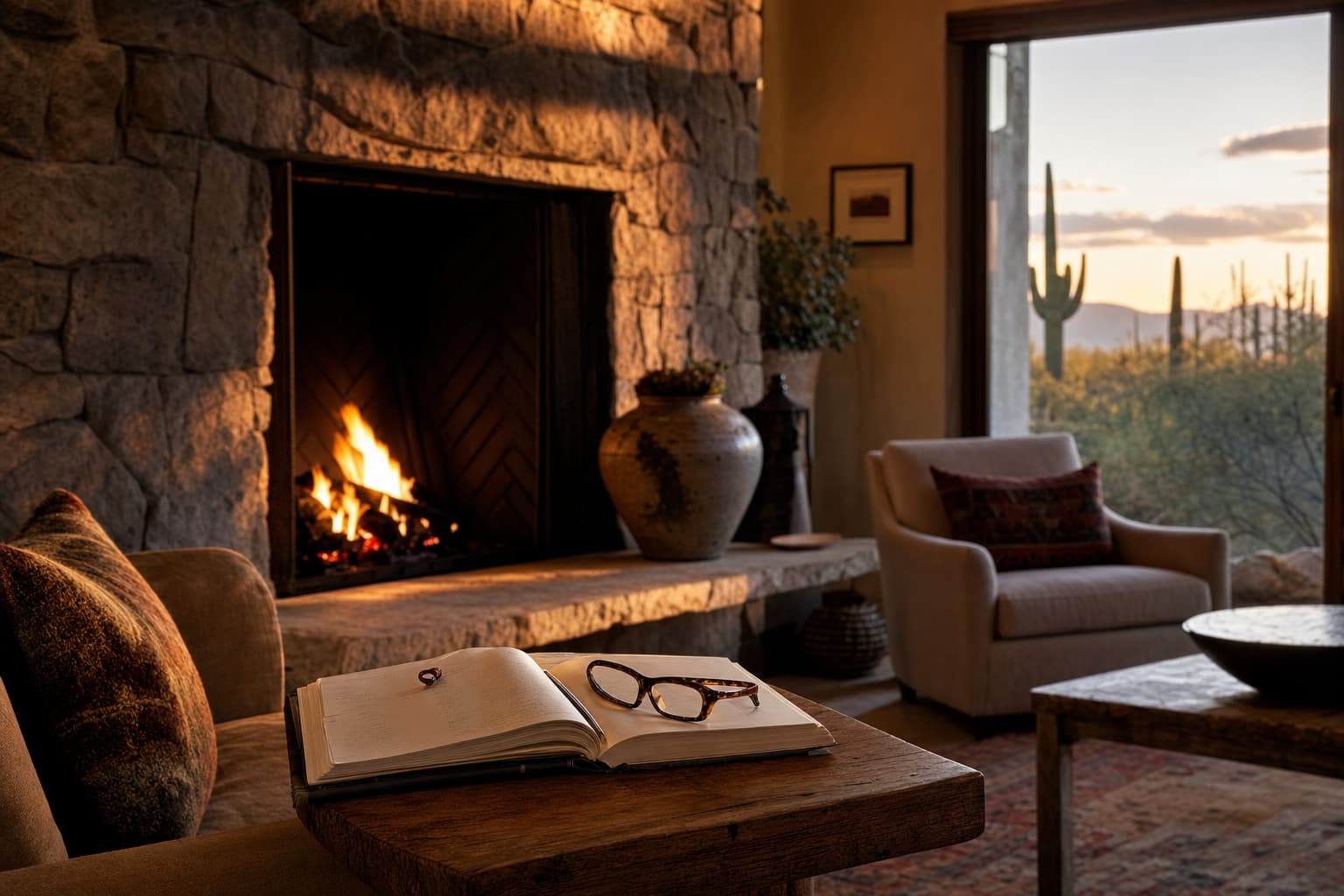
Open notebook and reading glasses beside a softly burning stone fireplace

Chimney Inspection

How Often Should a Chimney Be Inspected?

The widely used industry guideline is simple: any chimney that gets used should be looked at once a year. In practice, the moments that matter most are before the first fire of the season, after buying a home, and after any water intrusion near the chimney.

Read the full answer →

Chimney Inspection vs Cleaning: What's the Difference?

An inspection evaluates the chimney's condition — the flue, firebox, damper, crown, cap and masonry — and tells you what the system needs. A cleaning physically removes soot, creosote and debris. They're often done in one visit, but they answer different questions: 'what shape is it in?' versus 'is it clear?'

Read the full answer →

Leaks & Water

Why Is My Chimney Leaking?

Chimney leaks almost always enter at one of four points: a missing or failed chimney cap (water goes straight down the flue), a cracked crown (water enters the chimney structure from the top), failed flashing (water enters where chimney meets roof), or porous, deteriorated masonry. Finding which one is the whole diagnostic game.

Read the full answer →

Gas Fireplace

Why a Gas Fireplace Won't Ignite

When a gas fireplace won't light, the usual suspects are the ignition system: a pilot that has gone out or won't stay lit, a worn ignition component, dust on the burner assembly after months of non-use, or a safety device doing exactly what it's designed to do.

Read the full answer →

Why Does My Gas Fireplace Pilot Keep Going Out?

A pilot that lights but won't stay lit is most often a flame-sensing component (commonly a thermocouple or thermopile) nearing the end of its life, a weak or misdirected pilot flame that isn't heating that sensor properly, or — less often — drafts and venting effects blowing the flame around. It's one of the most routine gas fireplace service calls there is.

Read the full answer →

Chimney Cleaning

Signs Your Chimney Needs Cleaning

The clearest signs a chimney needs cleaning: visible black buildup inside the flue or on the damper, a campfire smell in the room, fires that start reluctantly or smolder, and soot or debris dropping into the firebox. If any of these sound familiar — or it's simply been over a year — it's time.

Read the full answer →

What Is Creosote?

Creosote is the residue left behind when wood smoke cools and condenses inside a chimney. It builds in stages — from flaky soot to a shiny, tar-like glaze — and because it is combustible, its accumulation is the main reason wood-burning chimneys need regular cleaning.

Read the full answer →

Repair & Masonry

Signs Your Chimney Needs Repair

The signs that matter most: cracks or gaps at the chimney top, crumbling mortar joints, flaking (spalling) brick, rust on the cap or damper, white staining on exterior masonry, water stains on nearby ceilings, and pieces of masonry or tile appearing in the firebox. Any one of them means the system needs a professional look.

Read the full answer →

Fireplace

Why Is My Fireplace Smoking Into the Room?

Smoke enters the room when the chimney isn't drafting, and there's always a specific reason: an obstructed or dirty flue, a damper that isn't fully open, a cold flue that hasn't established draft, a flue that's undersized for the firebox opening, or house airflow (exhaust fans, tight construction) pulling air down the chimney. Each has a different fix — which is why guessing doesn't work.

Read the full answer →

Arizona Guides

Preparing Your Fireplace for Arizona Winter

Arizona fireplaces have an unusual life: eight or more months of complete dormancy, then sudden use on the first cold night. Before that first fire, three things are worth confirming: the flue is clear (no dust, debris or nests), the components work (damper, pilot, ignition), and the exterior survived the summer (crown, cap, flashing).

Read the full answer →

Let's take care of your chimney & fireplace.

Tell us what's going on and we'll explain your options — clearly, and without pressure. Phone estimates are free.

Call NowBook $99 Special