
Why Is My Fireplace Smoking Into the Room?
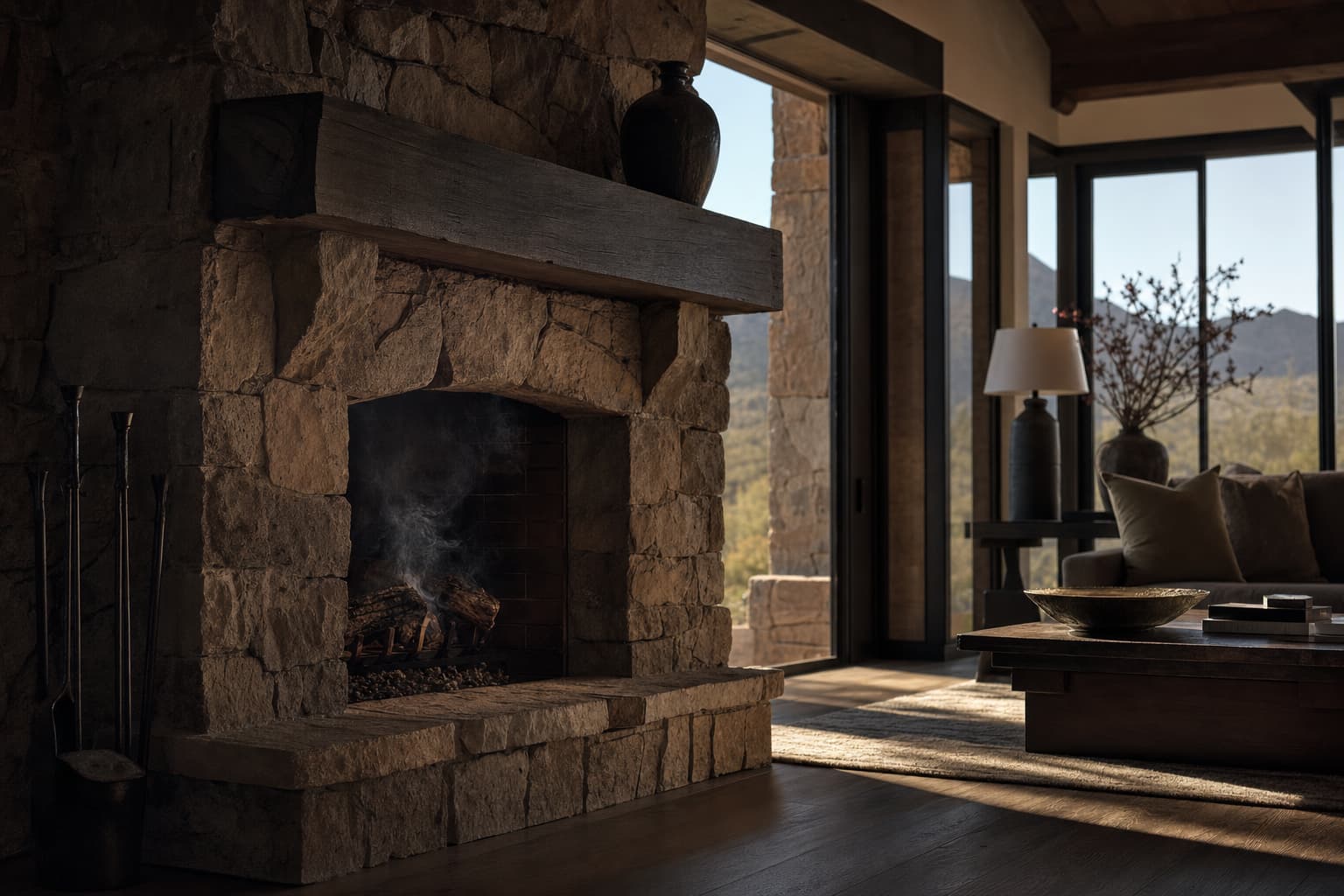
Smoke enters the room when the chimney isn't drafting, and there's always a specific reason: an obstructed or dirty flue, a damper that isn't fully open, a cold flue that hasn't established draft, a flue that's undersized for the firebox opening, or house airflow (exhaust fans, tight construction) pulling air down the chimney. Each has a different fix — which is why guessing doesn't work.
The usual suspects, in order
Obstruction and buildup: nesting material, debris, or heavy creosote narrowing the flue is the most common physical cause — the flue simply can't move enough air.
Damper: stuck, corroded or partially closed dampers restrict the throat of the system. It's a common finding in fireplaces that sat unused for years.
Cold-flue effect: a chimney full of cold, dense air resists rising smoke, especially on exterior-wall chimneys. Fires that smoke for the first ten minutes then behave are the classic signature.
Design and airflow: a flue too small for the firebox opening, or a kitchen/bath exhaust fan depressurizing a tight house, will make even a clean chimney misbehave.
What you can safely try
Confirm the damper is fully open. Warm the flue before lighting the main fire — a rolled, lit sheet of newspaper held near the damper for a minute helps reverse a cold column. Crack a window near the fireplace to rule out house-pressure effects. If those don't resolve it, stop experimenting — the cause is physical and diagnosable.
Why diagnosis beats gadgets
Smoke guards, top-mounted fans and other add-ons treat symptoms, and they're sometimes the right answer — but only after the actual cause is identified. Correcting an obstruction, a damper or a draft problem usually restores the fireplace the architecture intended. Diagnosis first, hardware second.